Source y2k resin charms keychain for Gifts, Decor, and Promotions
Explore 30 listings of y2k resin charms keychain available for customization. Buyers can compare materials like resin and metal, diverse patterns, and pricing to find suitable options for souvenirs, business gifts, and decorative items.
Key considerations
Products List







Comprehensive Sourcing Guide
Strategic Sourcing Guide for Y2K Resin Charms Keychains
Understanding the Product Category and Material Specifications
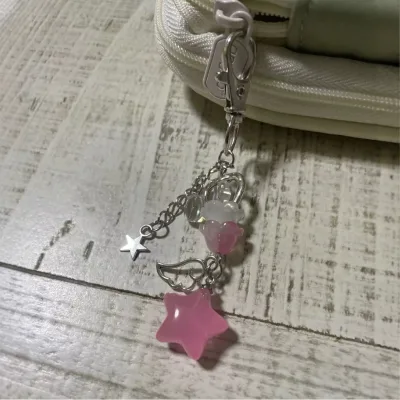
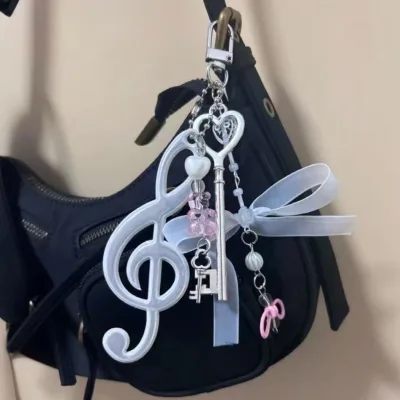
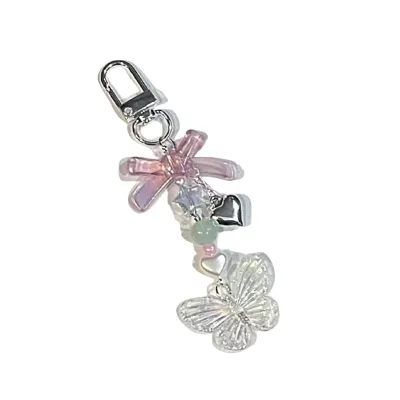
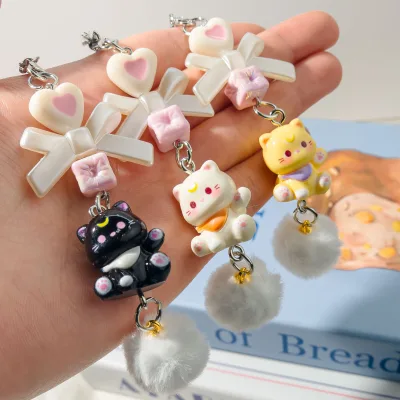
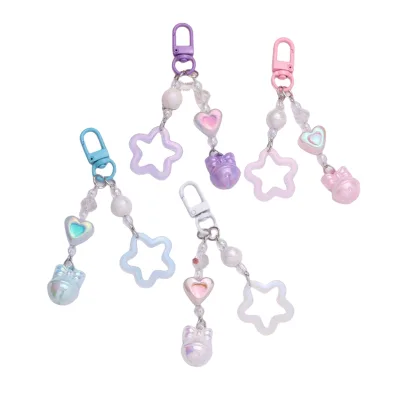
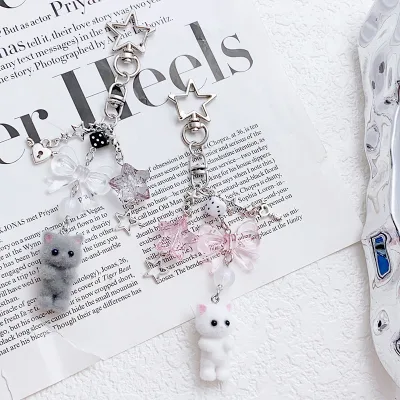
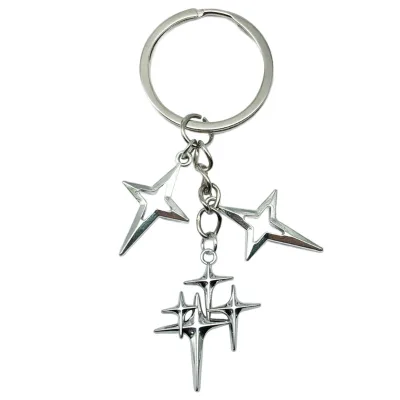
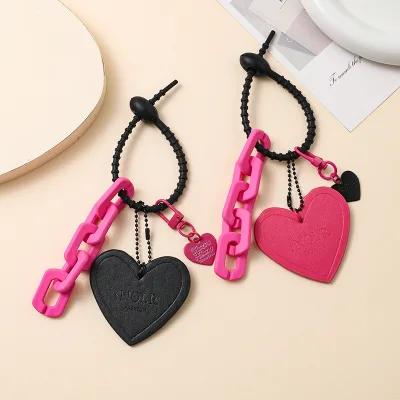
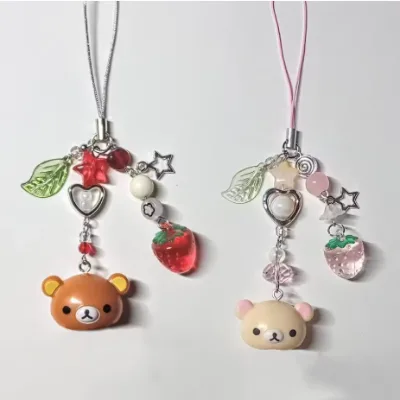
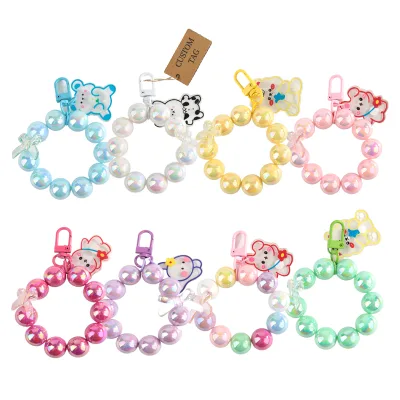
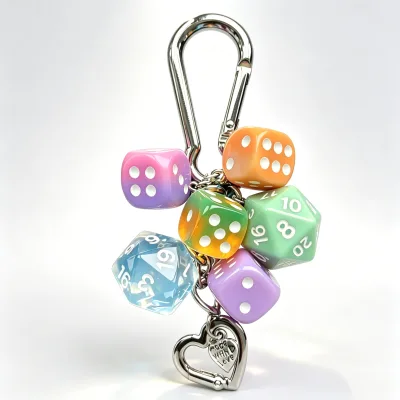
The Y2K resin charms keychain market represents a specific intersection of retro aesthetics and functional accessory design. When sourcing these items, buyers must first distinguish between the primary material composition and the decorative finish. The supplied product data indicates that resin is a dominant material for this category, often categorized under "Plastic Type: Resin" in supplier specifications. This material choice is critical for achieving the "Creative," "Fashionable," and "Cuté" styles associated with the Y2K revival. The resin is frequently molded into specific shapes such as stars, flowers, hearts, bears, and music notes, which are explicitly listed as patterns in the observed product listings.
However, a buyer must exercise caution regarding material consistency. The data reveals a mixed inventory where "Metal" and "Acrylic" are also present, with specific mentions of "Zinc Alloy" for metal variants and "PVC" for other plastic types. While the core keyword focuses on resin, a robust sourcing strategy requires verifying that the specific unit ordered matches the resin specification rather than a metal or acrylic alternative. The physical dimensions vary significantly across the catalog, with observed sizes ranging from compact 1x1x1 cm units to larger 10x3x1 cm or 2-12 cm variations. The single package size often measures around 8x3x7 cm, which impacts logistics planning. Furthermore, the weight is a key differentiator; resin units are observed with a single gross weight of approximately 0.036 kg, whereas metal counterparts may differ. Understanding these physical variances is essential for accurate freight cost estimation and packaging design.
Technical Specifications and Customization Capabilities
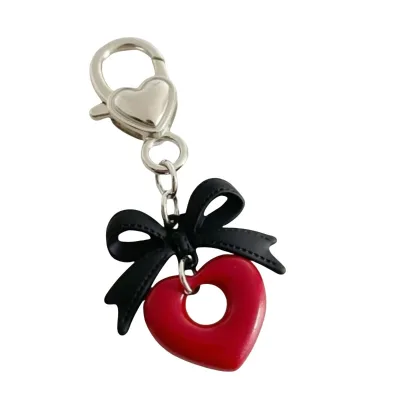
Customization is a central pillar of the keychain market, with the data confirming that "Customization: Available" is a standard attribute. Buyers seeking Y2K aesthetics often require specific colorways, such as "Blue Stars Flower" or "Pink Stars Flower," or specific character designs like "Heart Bear Music Note Ribbon Bow." The product attributes indicate that printing methods include "Embossing Printing" and "Die Cutting Printing," allowing for textured or flat graphic applications. The "Print to Your Requirements" and "Customized Logo" attributes suggest that suppliers are equipped to handle bespoke branding, which is vital for corporate gifting and promotional campaigns.
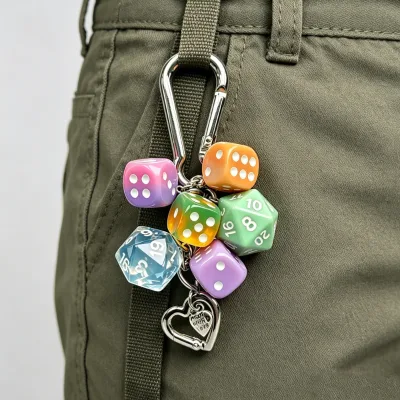
The model numbers provided in the data, such as "G 049," "CH 11," and "M332," serve as unique identifiers for specific design iterations. These models often dictate the attachment mechanism; for instance, some listings specify a "Carabiner Keychain" type, while others are simple charms. The "Single package size" and "Single gross weight" are critical technical data points for inventory management. A typical resin keychain weighs 0.036 kg, while a metal version might weigh 0.032 kg, and an acrylic or PVC variant could reach 0.046 kg. These slight differences accumulate quickly in bulk orders, affecting shipping costs and pallet density. Buyers should verify the exact model number and associated weight before finalizing a purchase order to ensure the logistics plan aligns with the actual product density.
Compliance, Certification, and Safety Verification
When evaluating the safety and compliance of resin and plastic keychains, buyers must navigate the gap between observed attributes and verified standards. The supplied data mentions "Customized" as a product standard, which implies that the baseline manufacturing process is flexible but does not inherently guarantee adherence to international safety regulations. While the background information notes "OEKO-TEX" as a potential standard, the data does not confirm that the specific resin keychains listed possess this certification. Therefore, buyers should not assume OEKO-TEX compliance without explicit documentation from the supplier.
Safety verification is particularly important for products intended for children or general consumer use. The attributes list "Waterproof" and "Fireproof" as features, yet these claims require empirical validation. For resin products, the primary concern is often the chemical composition of the resin and the pigments used. Buyers should request Material Safety Data Sheets (MSDS) to verify that the resin does not contain harmful phthalates or heavy metals. Additionally, the "Application" field lists uses such as "Protection" and "Waterproof," but these are functional claims that must be tested. A robust compliance strategy involves requesting third-party test reports for flammability, lead content, and phthalate levels, especially if the product is destined for markets with strict toy safety regulations like the EU or North America. Without specific test results in the provided data, the buyer must treat these safety attributes as claims requiring independent verification.
Cost Drivers and Pricing Dynamics
The pricing structure for Y2K resin keychains is influenced by material costs, customization complexity, and order volume. The observed price range in the market data spans from 0.10 USD to 1.47 USD per unit. This wide variance suggests that factors such as material type (resin vs. metal vs. acrylic), the intricacy of the mold (e.g., 3D vs. 2D), and the printing method significantly impact the final cost. A simple resin charm with basic embossing will likely fall at the lower end of the spectrum, while a complex, multi-colored, die-cut design with a custom logo will command a higher price.
The Minimum Order Quantity (MOQ) is another critical cost driver. The observed MOQ range is 10 to 1000 units. For small businesses or startups testing the market, an MOQ of 10 allows for low-risk entry, whereas larger enterprises may negotiate lower unit costs by targeting the 1000-unit threshold. The "Selling Units" attribute indicates that these are often sold as single items, but the MOQ dictates the batch size for production. Buyers should be aware that the unit price is not static; it is a function of the total volume and the specific customization requirements. Additionally, the "Single gross weight" of 0.036 kg per unit contributes to the total shipping weight, which can become a significant cost component for international freight. When calculating the total landed cost, buyers must factor in the base price, the MOQ constraints, and the logistics costs associated with the specific weight and dimensions of the resin product.
Supplier Evaluation and Quality Control Protocols
Evaluating suppliers for resin keychains requires a focus on their ability to maintain consistency in the "Creative," "Fashionable," and "Cuté" styles that define the Y2K aesthetic. The data indicates that the product origin is China, a major manufacturing hub for this category. However, the "Customized" standard implies that quality control processes must be adapted to each specific order. Buyers should verify the supplier's capacity to handle the "Print to Your Requirements" aspect without compromising the structural integrity of the resin.
Quality control should begin with a review of the "Feature" attributes. The data lists "Flexible," "Hard-Wearing," and "Light Weight" as key characteristics. A buyer must physically inspect samples to confirm that the resin does not become brittle over time or lose its flexibility, which is a common failure point in plastic-based accessories. The "Hard-Wearing" claim should be validated through stress testing, particularly for keychains that will be subjected to daily friction. Furthermore, the "Waterproof" attribute needs verification; resin can absorb moisture or degrade if the sealant is poor. Buyers should request pre-shipment inspection reports that specifically address color consistency, mold defects, and the durability of the attachment points (e.g., carabiners or rings). Given the "Style" attributes like "Diy" and "Souvenir gifts," the finish must be flawless, as any imperfections in the resin casting or printing will be immediately visible to the end consumer.
Typical Applications and Market Positioning
The versatility of Y2K resin keychains is highlighted by the extensive list of "Application" scenarios. These products are positioned for a wide array of uses, including "Christmas, Birthday, New Year, Wedding, Back to School, Earth Day, Easter, Graduation, national day, Thanksgiving, Chinese New Year." This broad applicability makes them ideal for promotional campaigns, corporate gifts, and seasonal retail collections. The "Application" field also explicitly mentions "Protection, Waterproof, Business Gift, Souvenir, Advertising, promotion gift," indicating that these items serve both functional and marketing purposes.
The "Style" attributes, such as "Luxury," "Cartoon," "RELIGION," "Fresh," and "Anime," suggest that the product can be tailored to niche markets. For instance, a "Heart Bear Music Note" design appeals to a younger demographic interested in anime or cartoon aesthetics, while a "Metal 3D Key Chain" with a "Luxury" style might target a more premium market segment. The "Pattern" of "Stars Flower" or "BEAR" aligns with the Y2K trend of playful, nostalgic motifs. Buyers should leverage these application insights to target specific customer segments. For example, a "Souvenir" application might require packaging that emphasizes the "Creative" and "Cuté" nature of the product, while a "Business Gift" application might demand a more subdued, "Fashion Trend" design with a custom logo. Understanding these application nuances helps in selecting the right product model and customization level to maximize market fit.
Long-Term Procurement and Supply Chain Considerations
Sourcing Y2K resin keychains is not merely a transactional activity but a strategic decision that impacts long-term brand positioning. The "Customized" nature of the product means that the supply chain must be agile enough to accommodate design changes and seasonal trends. The "Model Number" system (e.g., G 049, CH 11) suggests a structured inventory, but buyers should ensure that the supplier can maintain these models over time without discontinuation. The "Single package size" of 8x3x7 cm and the weight of 0.036 kg are fixed parameters that should be locked into the procurement contract to avoid unexpected logistics costs.
Long-term success also depends on the supplier's ability to scale. The observed MOQ range of 10 to 1000 units indicates flexibility, but buyers should plan for volume increases as the product gains traction. The "Feature" set, including "Light Weight" and "Hard-Wearing," suggests that the product has a long shelf life and durability, which is beneficial for repeat orders. However, the "Color" variations (e.g., 1, 2, 3, 6, 7, 8) require careful inventory management to avoid stockouts of popular shades. Buyers should establish a relationship with the supplier that includes regular quality audits and a clear communication channel for design updates. By focusing on the "Fashion Trend" and "Creative" aspects, buyers can ensure that their product line remains relevant in the fast-moving Y2K market. Ultimately, the goal is to build a supply chain that supports the "Customized Logo" and "Print to Your Requirements" capabilities while maintaining the high standards of "Hard-Wearing" and "Waterproof" performance expected by consumers.
FAQs
What materials are used for y2k resin charms keychain?
The primary material is resin, though metal and acrylic options exist. Some listings specify zinc alloy for metal variants and PVC for other plastic types. Buyers must verify the specific unit matches the resin specification rather than a metal or acrylic alternative.
Can I customize the logo and design for these keychains?
Yes, customization is available with options for custom logos and printing to your requirements. Suppliers offer embossing and die-cutting printing methods. Specific model numbers like G 049 or CH 11 often dictate the design iteration available for your order.
What is the typical price range for these keychains?
The observed price range spans from 0.10 USD to 1.47 USD per unit. This variance depends on material type, mold intricacy, and printing methods. Simple resin charms with basic embossing fall at the lower end while complex designs cost more.
What are the minimum order quantities for bulk purchases?
The minimum order quantity ranges from 10 to 1000 units depending on the supplier. Small businesses can start with an MOQ of 10, while larger enterprises may negotiate lower unit costs by targeting the 1000-unit threshold. This impacts total landed cost calculations.
How are the keychains packaged and what are their dimensions?
Each item is typically packed as one piece in a PP bag with a single package size of 8x3x7 cm. The product size varies, with observed dimensions including 10x3x1 cm or 2-12 cm. The single gross weight is approximately 0.036 kg for resin units.
Which certifications ensure safety for these resin products?
The data indicates a customized standard but does not confirm specific certifications like OEKO-TEX. Buyers should request Material Safety Data Sheets to verify the resin does not contain harmful phthalates. Third-party test reports for flammability and lead content are recommended for safety verification.